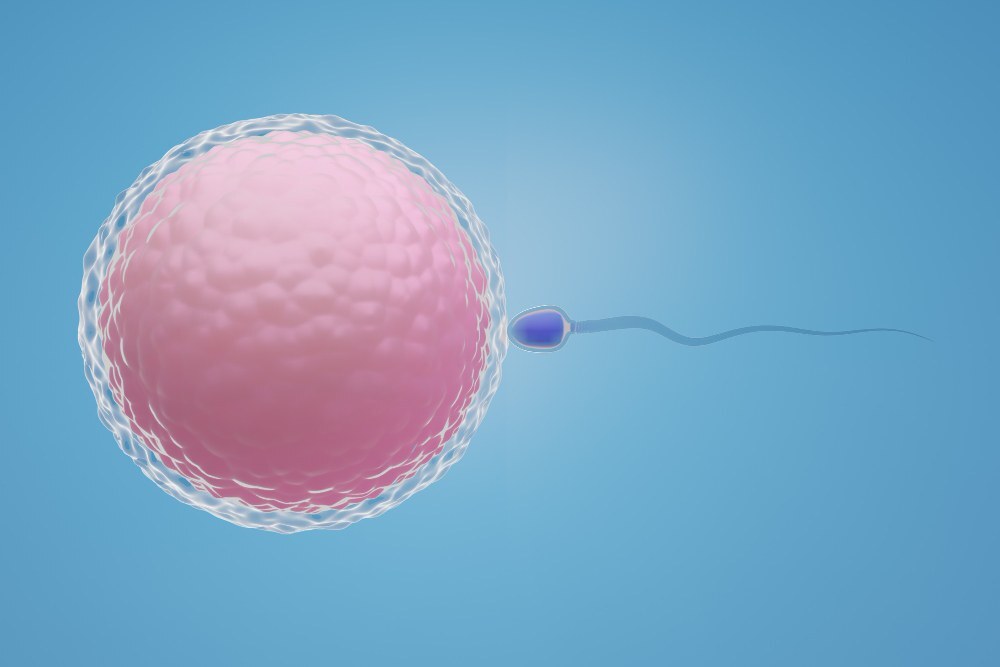
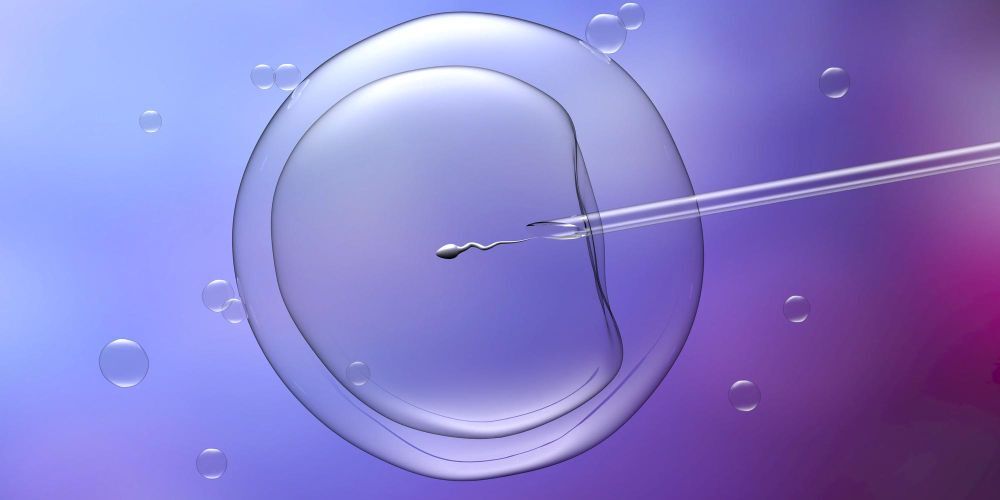
Are you planning Intrauterine Insemination (IUI) and wondering exactly when the procedure is done? Timing is one of the most important parts of IUI. The treatment works by placing prepared sperm directly into the uterus around the time of ovulation, so that sperm are already waiting when the egg is released. Because an egg survives for only about 12 to 24 hours after ovulation, doing the procedure at the right moment can make a real difference to your chances.
The exact timing depends on whether you are having a natural cycle or a stimulated cycle. In a natural cycle, your clinic tracks your body's own ovulation. In a stimulated cycle, fertility medications help your ovaries develop one or more follicles, and a trigger injection is used to time ovulation. In both cases, IUI is generally done within about 24 to 36 hours of the signal that ovulation is near, although clinics can vary in their exact protocols.
In this blog, we begin with how ovulation is monitored for IUI. You will learn how ovulation predictor kits (OPKs) detect the surge in luteinizing hormone (LH), how ultrasound tracks the size and growth of follicles, and how blood tests measure hormones such as estrogen, LH, and progesterone. Often, a combination of these methods is used to pinpoint the best time.
Next, we explain the timing of the IUI procedure in a natural cycle, where the insemination is scheduled after the LH surge is detected, and in a stimulated cycle, where the procedure follows the trigger shot of hCG. We walk you through each step of a stimulated cycle, from fertility medications and monitoring your response to the trigger injection and the insemination itself.
We also share a simple IUI timeline, from Cycle Day 1 and the early ultrasound to medication, follicle monitoring, the trigger shot, insemination, and the pregnancy test about two weeks later. This makes it easier to know what to expect and how to prepare.
You will also find answers to common questions, such as why timing matters, how ovulation is tracked, how ultrasound and blood tests help, when IUI is done in natural and stimulated cycles, and how long a typical IUI cycle lasts.
If you are searching for information about IUI timing or considering IUI treatment in Nepal, getting advice from an experienced fertility specialist can help you understand your situation and plan your cycle with confidence. At Hardik IVF, you can receive personalized guidance and compassionate care at every step of your journey.
Read this complete guide to understand when IUI is done and how timing affects your chances, and take a confident step towards your dream of parenthood.
Learn More:
Intrauterine Insemination (IUI): Overview and What to Expect
Intrauterine Insemination (IUI) Explained
Intrauterine Insemination (IUI) Treatment Guide