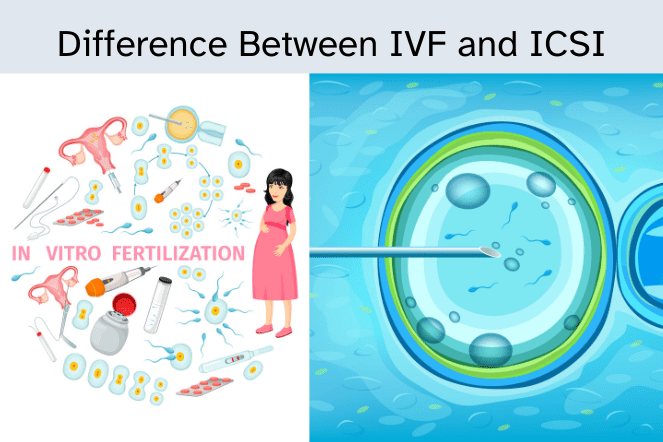
Have you been told that you may need IVF or ICSI and are not sure what the difference is? Both are assisted reproductive treatments that help couples conceive when natural conception is difficult, and they are often mentioned together because ICSI is carried out as part of an IVF cycle. The two share most of their steps, but they differ in one important stage: how the egg is fertilized.
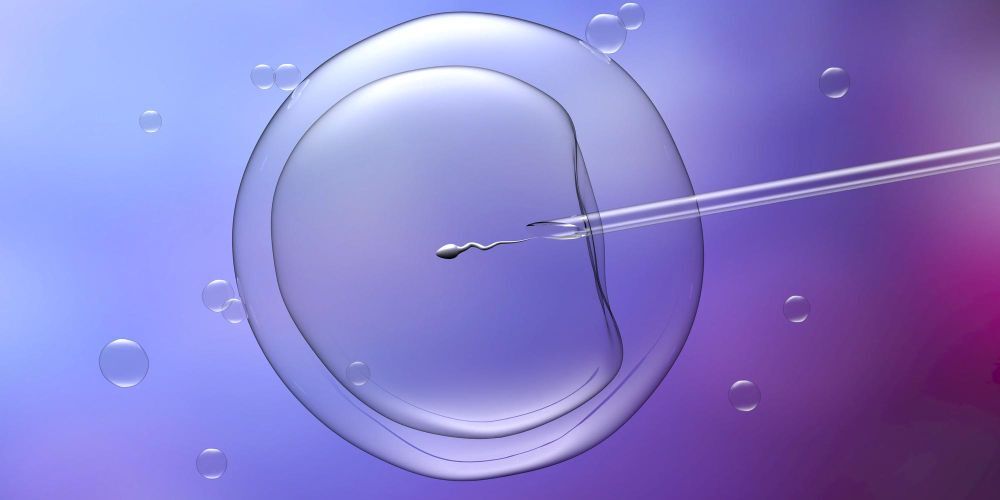
In In Vitro Fertilization (IVF), eggs are retrieved from the ovaries and placed in a laboratory dish with prepared sperm, so fertilization happens on its own. In Intracytoplasmic Sperm Injection (ICSI), an embryologist selects a single healthy sperm and injects it directly into the egg. This small difference can matter a great deal, especially when male fertility is part of the problem.
In this blog, we begin with a simple introduction to IVF and ICSI and explain how they relate to each other. We then compare them point by point, covering the steps of each procedure, success rates, benefits, risks, and costs in Nepal, so you can see where they overlap and where they differ.
You will learn how an IVF cycle works, from ovarian stimulation and egg retrieval to fertilization, embryo culture, embryo transfer, and luteal phase support. We then explain how ICSI follows the same path, except that fertilization is done by direct sperm injection. This helps you understand why ICSI is not a separate treatment from IVF but a technique used within it.
We also explain who may benefit from each approach. IVF is a common choice for women with blocked or damaged fallopian tubes, ovulation disorders, endometriosis, PCOS, or age-related decline in ovarian reserve, and for couples with unexplained infertility. ICSI is often recommended for men with low sperm count, poor sperm movement, abnormal sperm shape, or blockages, and when earlier IVF attempts have resulted in poor fertilization.
Just as important, this guide looks at the possible risks of each treatment, such as ovarian hyperstimulation syndrome, multiple births, and ectopic pregnancy in IVF, and the small chance of egg damage with ICSI. It then helps you think through which option may suit you, and why ICSI is not automatically better for every couple.
You will also find answers to common questions, such as whether IVF can be done without ICSI, whether ICSI is more successful than IVF, whether it is more expensive, and whether it can lead to twins.
If you are searching for information about IVF vs ICSI or considering fertility treatment in Nepal, getting advice from an experienced fertility specialist can help you understand your situation and choose the right plan. At Hardik IVF, you can receive personalized guidance and compassionate care at every step of your journey.
Read this complete guide to understand the difference between IVF and ICSI and take a confident step towards your dream of parenthood.
Learn More:
IVF Treatment: Procedure, Process and What to Expect
Intracytoplasmic Sperm Injection (ICSI) Explained
Intrauterine Insemination (IUI) Explained