
Blastocyst Transfer Treatment
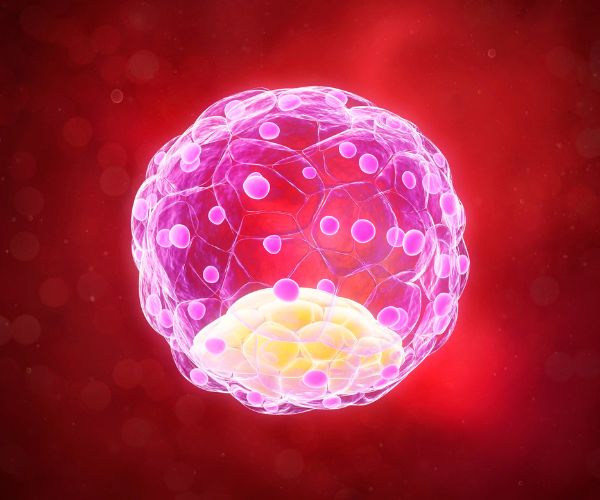
What is Blastocyst Transfer Treatment?
What is Blastocyst Transfer? Blastocyst Transfer is an advanced step in IVF treatment where the embryo is cultured in the laboratory for 5–6 days until it reaches the blastocyst stage before being transferred into the uterus. At this stage, the embryo is more developed, allowing fertility specialists to select the healthiest embryo with the highest implantation potential, helping improve the chances of a successful pregnancy.
Who Needs Blastocyst Transfer Treatment Treatment?
Your fertility specialist may recommend treatment if you experience any of the following conditions:
- Couples undergoing IVF treatment
- Previous failed IVF or embryo transfer cycles
- Recurrent miscarriage
- Women over 35 years of age
- Male factor infertility
- Patients choosing single embryo transfer (SET)
- Couples seeking improved embryo selection
How Does Blastocyst Transfer Treatment Work?
A step-by-step clinical timeline of the procedure at Hardik IVF:
Egg Retrieval
Phase 01Mature eggs are collected.
Fertilization
Phase 02Eggs are fertilized using IVF or ICSI.
Embryo Culture
Phase 03Embryos develop in the laboratory for 5–6 days.
Blastocyst Transfer
Phase 04The healthiest embryo is transferred into the uterus.
Pregnancy Test
Phase 05Performed about two weeks after embryo transfer.
Benefits of Blastocyst Transfer Treatment
Key advantages of choosing Blastocyst Transfer Treatment for your fertility journey:
- Improved embryo selection
- Higher implantation potential
- Better pregnancy outcomes in suitable patients
- Supports single embryo transfer
- Lower risk of multiple pregnancy
- Extra healthy embryos can be frozen for future use
FAQs About Blastocyst Transfer Treatment
Find clear answers to common questions about treatment: