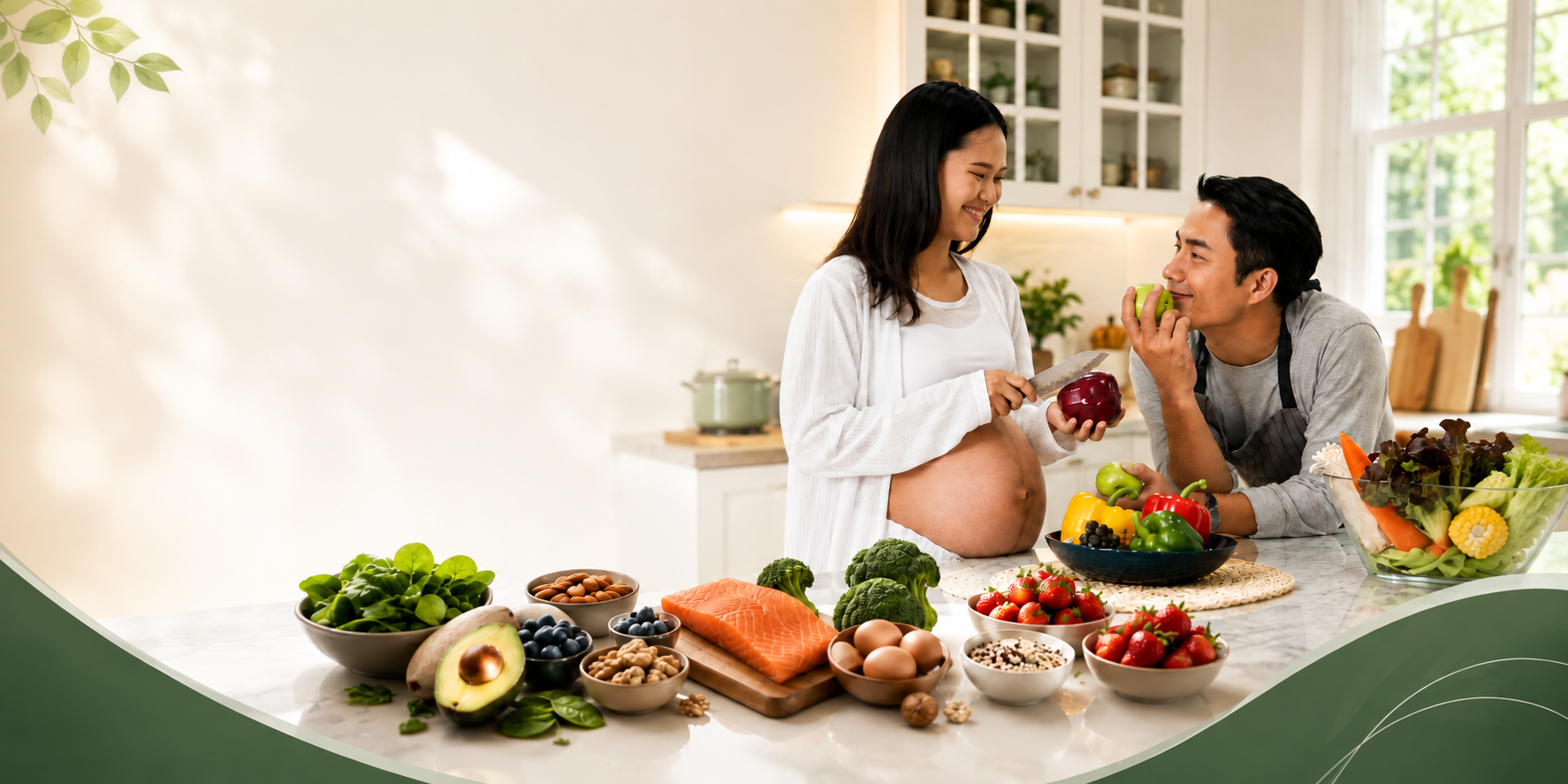
The journey to parenthood is often filled with hope, excitement, and, at times, challenges. While some factors that influence fertility, such as age and genetics, cannot be changed, nutrition is one area where positive lifestyle choices can make a meaningful difference. The foods you eat help create a healthy environment for conception and support reproductive health in both men and women. The good news is that improving fertility does not require expensive supplements, exotic superfoods, or restrictive diets. Instead, consistently including a variety of nutrient-rich foods in your daily meals can help support hormone balance, improve egg and sperm quality, and promote overall reproductive well-being.
Why Diet Matters for Fertility and Pregnancy
Fertility depends on a complex interaction of hormones, healthy reproductive organs, and good overall health. The food you eat plays an important role in supporting these processes. Nutrients help maintain hormone balance, support regular ovulation, improve egg and sperm quality, and contribute to healthy embryo development in the early stages of pregnancy. On the other hand, a diet high in processed foods, refined sugars, and unhealthy fats may contribute to inflammation and hormonal imbalances, which can negatively affect fertility. Certain nutrients are particularly important for reproductive health. Folate supports healthy cell growth and DNA formation, omega-3 fatty acids help reduce inflammation and support hormone production, while zinc and selenium contribute to healthy sperm and egg function. Iron supports oxygen delivery and uterine health, and antioxidants such as vitamins C and E help protect reproductive cells from damage. B vitamins also play a key role in energy production and hormone regulation. By choosing a balanced, nutrient-rich diet, you can help create the best possible environment for conception and a healthy pregnancy.
Top 7 Foods to Improve Fertility Naturally- Nature's Fertility Toolkit
Let's explore these readily available nutritional powerhouses:
 i) 7 variety of superfoods that support and help with fertility.
Leafy Green Vegetables for Fertility and Hormone Balance (Spinach, Kale, Swiss Chard)
Leafy green vegetables are among the most nutritious foods for supporting reproductive health. They are rich in folate, a vital nutrient that supports healthy egg development and plays an important role in the early stages of pregnancy, including the prevention of certain birth defects. These vegetables are also excellent sources of iron, which helps maintain healthy blood flow and supports the development of a healthy uterine lining for implantation. In addition, leafy greens provide calcium, vitamins, and antioxidants that help protect eggs and sperm from damage caused by oxidative stress. Their combination of essential nutrients makes them a valuable addition to a fertility-friendly diet. Ways to include them in your diet:
- Add spinach or kale to smoothies.
- Use fresh greens in salads.
- Sauté them with garlic as a side dish.
- Stir them into soups, curries, and stews.
- Add them to omelets, sandwiches, or wraps
Whole Grains for Ovulation and Reproductive Health (Brown Rice, Oats, Whole Wheat, Quinoa)
Whole grains are an important part of a fertility-friendly diet. Unlike refined grains such as white rice (सेतो चामल), refined wheat flour (मैदा), white bread (सेतो पाउरोटी), noodles made from refined flour, biscuits, cakes, and foods such as samosas, puri, and donuts, whole grains provide complex carbohydrates that release energy gradually. This helps maintain stable blood sugar and insulin levels, which is particularly beneficial for women with polycystic ovary syndrome (PCOS), where insulin resistance can disrupt normal ovulation. Whole grains are also rich in B vitamins, including folate, which are essential for hormone regulation, energy production, and healthy cell growth and development. These nutrients support overall reproductive health and help create a favorable environment for conception. Examples of whole grains include:
- Brown rice (खैरो चामल)
- Oats (ओट्स)
- Whole wheat (साबुत गहुँ)
- Quinoa (किनोवा)
- Barley (जौ)
- Millet (कोदो, फापर)
Ways to include them in your diet:
- Start your day with oatmeal or whole-grain porridge.
- Replace white rice with brown rice, barley, millet, or quinoa.
- Choose whole-wheat bread, chapati, or pasta instead of products made from refined flour.
- Add whole grains to soups, salads, and other meals to increase their nutritional value and fiber content.
Berries and Antioxidant-Rich Fruits for Fertility (Blueberries, Strawberries, Raspberries)
Berries are rich in antioxidants, including vitamin C and plant compounds called flavonoids, which help protect the body's cells from damage caused by oxidative stress. These nutrients may help support the health of both eggs and sperm, making berries a valuable addition to a fertility-friendly diet. Berries also have anti-inflammatory properties that help promote overall health and create a more favorable environment for conception. In addition, their high fiber content supports healthy digestion and may help maintain hormonal balance by assisting the body in eliminating excess hormones and waste products. Examples of berries include:
- Blueberries
- Strawberries
- Raspberries
- Blackberries
Ways to include them in your diet:
- Eat them fresh as a healthy snack.
- Blend them into smoothies.
- Add them to yogurt, oatmeal, or breakfast cereals.
- Mix them into fruit salads.
- Use them as a topping for whole-grain pancakes or desserts.
- Since berries may not always be easily available or affordable, similar antioxidant-rich fruits such as अनार (pomegranate), सुन्तला (orange), कागती (lime), भुइँकटहर (pineapple), अम्बा (guava), and various seasonal fruits can also contribute valuable vitamins and antioxidants to support overall reproductive health.
Fatty Fish Rich in Omega-3 for Fertility Support (Salmon, Sardines, Mackerel and Other Oily Fish)
Fatty fish are among the best dietary sources of omega-3 fatty acids, particularly EPA and DHA. These healthy fats help reduce inflammation, support healthy blood flow to reproductive organs, and play an important role in the production of reproductive hormones such as estrogen and progesterone.
For men, omega-3 fatty acids have been associated with improved sperm quality, including better sperm count, movement (motility), and shape (morphology). For women, they may help support regular menstrual cycles and create a healthy environment for conception and early pregnancy. Examples of fatty fish include:
- Salmon (साल्मन)
- Sardines (सार्डिन)
- Mackerel (म्याकरेल)
- Trout (ट्राउट)
- Herring (हेरिङ)
In Nepal, commonly available fish such as:
- Asala fish (असला माछा)
- Rainbow trout (ट्राउट)
- Silver carp (सिल्भर कार्प)
- Rohu (रोहु)
- Other freshwater fish can also provide valuable protein and healthy fats, although the omega-3 content varies by species.
Ways to include them in your diet:
- Aim for 2–3 servings of fish per week.
- Choose baked, grilled, steamed, or lightly pan-cooked preparations.
- Pair fish with vegetables and whole grains for a balanced meal.
- If you do not eat fish, consider other omega-3 sources such as walnuts, chia seeds, flaxseeds (अलसी), and soy products.
Nuts and Seeds for Egg and Sperm Health (Almonds, Walnuts, Sunflower Seeds, Flaxseeds, Chia Seeds)
Nuts and seeds may be small in size, but they are packed with nutrients that support reproductive health. They provide healthy fats, protein, vitamins, minerals, and antioxidants that help support hormone production, egg quality, and sperm health. Many nuts and seeds are rich in vitamin E, a powerful antioxidant that helps protect reproductive cells from damage. They also contain zinc, which is important for hormone production and healthy sperm development, and selenium, which supports egg quality and helps protect sperm from oxidative stress.
Flaxseeds and chia seeds are excellent plant-based sources of omega-3 fatty acids, while sunflower seeds and pumpkin seeds are particularly rich in zinc and other essential minerals.
Examples of nuts and seeds include:
- Almonds (बदाम)
- Walnuts (ओखर)
- Flaxseeds (अलसी)
- Chia seeds (चिया)
- Sunflower seeds (सूर्यमुखीको बीउ)
- Pumpkin seeds (फर्सीको बीउ)
- Sesame seeds (तिल)
- Peanuts (बदाम/मुङ्गफली)
Ways to include them in your diet:
- Enjoy a handful as a healthy snack.
- Sprinkle them over salads, yogurt, or oatmeal.
- Blend them into smoothies.
- Add them to homemade energy bars or trail mixes.
- Use nut butters such as peanut or almond butter.
- Grind flaxseeds before consumption to improve nutrient absorption.
How Eggs Support Fertility and Reproductive Health
Eggs are a simple, affordable, and highly nutritious food that can support reproductive health. They are an excellent source of high-quality protein, which is essential for cell growth, tissue repair, and the healthy development of reproductive cells. Eggs are also one of the richest dietary sources of choline, an important nutrient that supports early fetal brain and nervous system development. Adequate choline intake before and during pregnancy may help support healthy fetal growth. In addition, eggs provide healthy fats, vitamins, and minerals, including vitamin D, which plays a role in hormone regulation and reproductive health in both men and women.
The combination of protein, healthy fats, and essential nutrients makes eggs a valuable part of a balanced fertility-friendly diet. Ways to include eggs in your diet:
- Boiled as a quick and nutritious snack.
- Scrambled for breakfast.
- Poached or served with whole-grain toast.
- Prepared as vegetable omelets.
- Added to salads, sandwiches, or wraps.
- For most healthy individuals, eggs can be enjoyed regularly as part of a balanced diet that also includes fruits, vegetables, whole grains, nuts, seeds, and other protein-rich foods.
Dairy and Fortified Plant-Based Alternatives for Fertility (Milk, Yogurt, and Fortified Soy, Almond, or Oat Milk)
Dairy products and fortified plant-based alternatives can provide important nutrients that support overall reproductive health. They are excellent sources of calcium, which is essential for healthy cell function, muscle activity, and many processes involved in reproduction. Many dairy products and fortified plant-based beverages also contain vitamin D, which plays an important role in hormone regulation, ovulation, and reproductive health. Adequate vitamin D levels are important for both men and women and may contribute to a healthy environment for conception. For individuals who do not consume dairy, fortified plant-based options such as soy, almond, or oat milk can help provide similar nutrients when enriched with calcium and vitamin D.
Examples include:
- Milk (दूध)
- Yogurt/Curd (दही)
- Cheese (चिज)
- Fortified soy milk (क्याल्सियम र भिटामिन D युक्त सोया दूध)
- Fortified almond milk (बदामको दूध)
- Fortified oat milk (ओट्सको दूध)
Ways to include them in your diet:
- Drink a glass of milk with meals.
- Enjoy yogurt with fruits, berries, nuts, or seeds.
- Add milk or fortified plant-based beverages to smoothies.
- Use yogurt in snacks and meals.
- Include moderate amounts of cheese as part of a balanced diet.
- Add fortified plant-based milk to cereals, oatmeal, or coffee.
- When choosing plant-based alternatives, look for products fortified with both calcium and vitamin D to help meet your nutritional needs.
Summary
Trying to conceive can sometimes feel overwhelming, but it is important to remember that small, everyday choices can have a meaningful impact on your reproductive health. By regularly including nutrient-rich foods such as leafy green vegetables, whole grains, berries and other antioxidant-rich fruits, fatty fish, nuts and seeds, eggs, and dairy products or fortified plant-based alternatives, you can help support your body's natural fertility. These foods provide essential nutrients that contribute to hormone balance, healthy egg and sperm development, regular ovulation, and overall reproductive well-being. More importantly, they help build a strong foundation for a healthy pregnancy and future baby. Remember, there is no single “fertility food” or perfect diet. The goal is to adopt a balanced, healthy eating pattern that nourishes your body over time. Combined with regular physical activity, adequate sleep, stress management, and appropriate medical care when needed, good nutrition can be an important part of your journey toward parenthood. Start with small, sustainable changes and focus on consistency. Every healthy meal is an investment in your overall health and reproductive potential. While a healthy diet can support fertility, nutrition alone may not overcome conditions such as PCOS, endometriosis, blocked fallopian tubes, low ovarian reserve, or male factor infertility. If you have been trying to conceive for more than 12 months (or 6 months if over age 35), consider consulting a fertility specialist for evaluation and personalized guidance.